
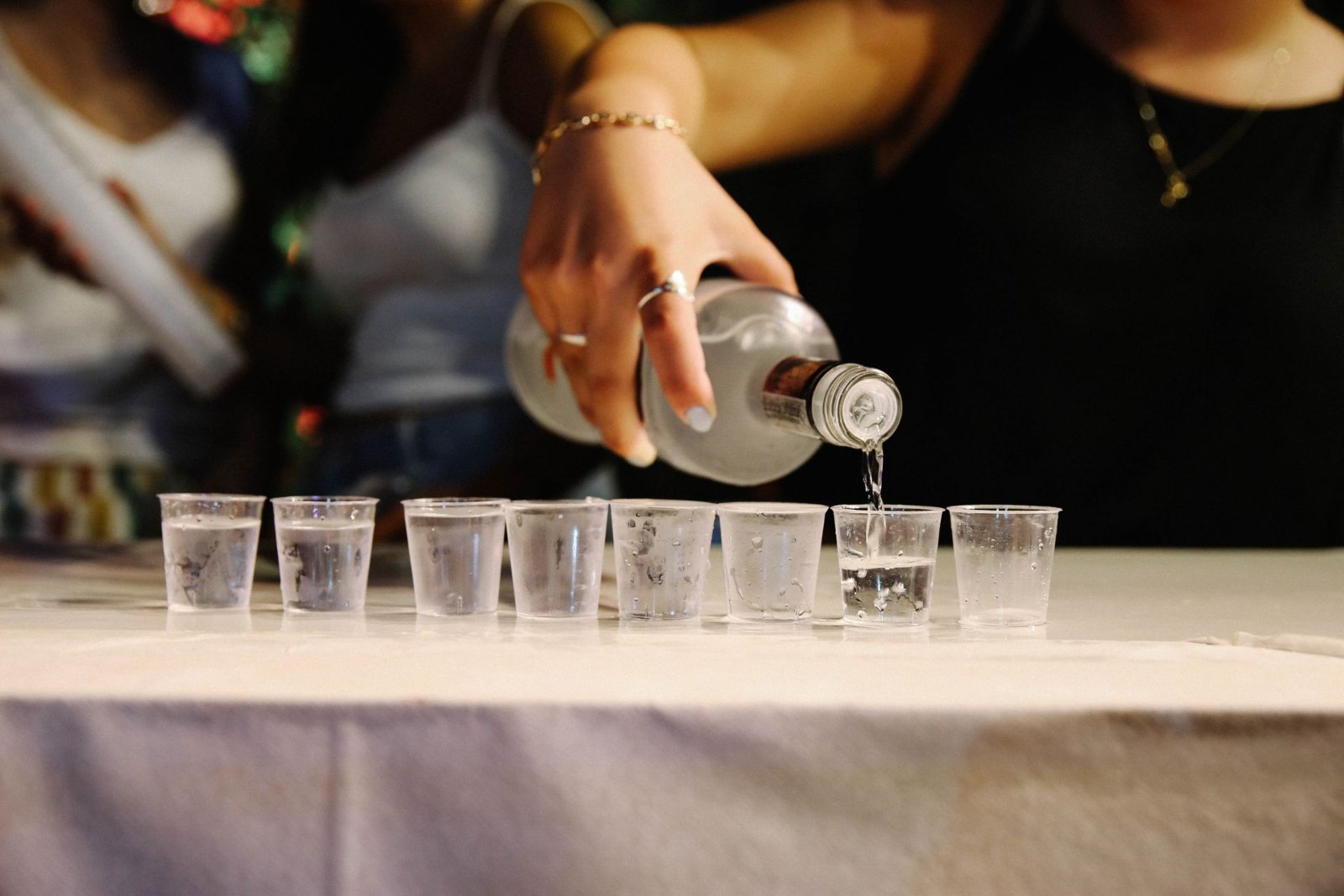
Bar crawls are supposed to be legendary. You’ve got a group of friends, a lineup of great venues, and an entire evening stretched out ahead of you like an open invitation to make memories. Whether you’re exploring the vibrant nightlife corridors of Washington DC — from the electric energy of Adams Morgan to the polished bar scene in Capitol Hill — or venturing through Georgetown’s storied streets, a bar crawl promises something few nights out can deliver: variety, adventure, and the kind of spontaneous fun that you’ll talk about for years.
And yet, so many bar crawls fall flat. Groups splinter. Someone gets too drunk too fast. Awkward silences replace laughter. The night that was supposed to be epic ends with half the crew in an Uber by 10 PM and the other half arguing about where to go next. Sound familiar?
The truth is, most bar crawl disasters aren’t caused by bad luck or bad bars. They’re caused by entirely avoidable social pitfalls — subtle mistakes in group dynamics, personal behavior, and planning that quietly erode the fun until there’s nothing left. The good news? Once you know what these pitfalls are, you can sidestep them entirely and have the kind of night that actually lives up to the hype.
In this guide, we’re breaking down the most common social mistakes people make on bar crawls, why they matter, and exactly how to avoid them. Whether you’re planning your first crawl through DC’s nightlife scene or you’re a seasoned bar-hopper looking to level up your experience, this is the playbook you didn’t know you needed.
The Hidden Social Dynamics That Make or Break a Bar Crawl
Before we dive into specific pitfalls, it’s worth understanding why bar crawls are uniquely vulnerable to social friction. Unlike a dinner party or a house gathering, a bar crawl is a moving, evolving event. The group is constantly in transition — walking between venues, adjusting to new environments, managing different energy levels and alcohol tolerances. Every transition is an opportunity for the group to either bond more deeply or begin to fracture.
Washington DC’s bar scene adds another layer of complexity. The city is packed with ambitious, driven people — lobbyists, Hill staffers, consultants, tech professionals — who bring a certain intensity to everything they do, including their nights out. That energy can be electric when channeled well, but it can also lead to competitiveness, cliquishness, or an over-serious attitude that kills the vibe faster than a watered-down cocktail.
Understanding these dynamics isn’t about overanalyzing your night out. It’s about being a more self-aware participant so that your presence adds to the experience rather than detracting from it.
Pitfall #1: Failing to Set Clear Expectations Before the Night Begins
One of the biggest killers of bar crawl fun happens before anyone takes their first sip. When a group heads out without aligned expectations, the evening becomes a negotiation at every turn — and nobody wants to spend their Friday night mediating disputes about where to go next.
Why Misaligned Expectations Cause Problems
Consider a group of eight heading out in Washington DC. Four of them want to do a structured crawl through a set list of bars in Dupont Circle. Three others assume the night is casual and open-ended. And one person thought this was just a quick two-bar stop before heading to a club. By the second venue, you’ve got three different agendas competing for the group’s direction, and someone is inevitably frustrated.
This kind of misalignment leads to passive-aggressive complaints, small arguments, and — most damaging of all — people quietly checking out mentally even while they’re still physically present. They’re at the bar, but they’re not really there.
How to Fix It: Pre-Crawl Communication
The solution is simple but requires a bit of intentionality. Before the night begins, communicate the basic plan to everyone involved. You don’t need a military-level itinerary, but a rough framework helps enormously. How many bars are you hitting? What’s the general neighborhood? Is there a loose end time? Is this a “we stay together all night” situation or is splitting up okay?
“The best bar crawls feel spontaneous, but the best ones are actually anchored by a lightweight structure that keeps everyone moving in the same direction.”
This is exactly where organized bar crawl services like Barcrawlerz shine. Operating right here in Washington DC, Barcrawlerz takes the guesswork out of the evening by providing a pre-planned route, vetted venues, and a built-in social structure that gives everyone a shared framework for the night. When everyone knows the plan, you spend less time negotiating and more time actually enjoying yourselves.
Pitfall #2: Letting One Person Dominate the Group’s Energy
Every group has one. The person who needs to be the center of attention at all times. The one who talks over everyone, makes every decision unilaterally, or — perhaps most insidiously — brings a cloud of negativity that slowly dampens everyone else’s mood. On a bar crawl, this person has an outsized effect because the group is together for an extended period across multiple settings.
The “Alpha Crawler” Problem
There’s a difference between natural leadership and domineering behavior. Natural leaders help the group make decisions, keep energy high, and make sure everyone feels included. Domineering personalities, on the other hand, make the night about themselves. They choose the next bar without asking anyone. They monopolize conversations with bartenders. They make snide comments when the group doesn’t go along with their preferences.
In Washington DC’s socially competitive environment, this personality type is particularly common. The city attracts people who are used to being in charge, and sometimes that professional habit bleeds uncomfortably into social settings.
How to Handle Group Energy Constructively
If you’re the natural social leader of your group, use that influence consciously. Actively invite quieter members into conversations. When making decisions about the next stop, frame it as a group choice rather than a decree. Check in with people who seem to be lagging behind — both physically and emotionally.
If you’re not the leader type, don’t abdicate your responsibility for the group’s vibe entirely. A simple, “Hey, what does everyone want to do next?” can redistribute decision-making power and make the night feel more collaborative. Bar crawls are fundamentally communal experiences, and they thrive when everyone feels like a co-creator of the evening.
Pitfall #3: Drinking Without Pacing Yourself (and Ruining It for Everyone)
This one seems obvious, but it’s worth addressing directly because it’s the most common reason bar crawls end prematurely. Someone goes too hard too fast, and suddenly the entire group is managing a situation rather than enjoying an evening.
The Science of Bar Crawl Pacing
A typical bar crawl in Washington DC might span four to six hours and visit anywhere from four to eight venues. That’s a marathon, not a sprint. The people who have the best time are almost always the ones who treat it like a marathon — steady, sustainable, and strategic.
Drinking a full cocktail at every stop without eating, hydrating, or pacing is a recipe for an early exit — or worse, becoming the person everyone else has to babysit. Beyond the personal consequences, over-drinking affects the entire group’s experience. When one person is visibly impaired, it creates anxiety, divides the group’s attention, and can lead to situations that put a permanent damper on the night.
Practical Pacing Strategies That Actually Work
The most effective strategy is deceptively simple: alternate alcoholic drinks with water or non-alcoholic beverages. At every other stop, order a sparkling water or a soft drink. Eat before you go out and snack when you can throughout the evening. DC has plenty of late-night food options near popular bar districts — a quick stop at a food truck or a shared appetizer can make a significant difference in how the night unfolds.
Also, be honest with yourself about your tolerance. There’s no social prize for keeping up with the heaviest drinker in the group. The goal is to be present, engaged, and genuinely enjoying yourself — not to hit a certain number of drinks.
Pitfall #4: Cliquing Up and Excluding Other Group Members
Bar crawls often bring together people from different social circles — coworkers, old friends, new acquaintances, plus-ones. This diversity is part of what makes them interesting. But it also creates fertile ground for clique formation, where existing friend groups within the larger group stick together and inadvertently exclude others.
How Cliques Silently Destroy Group Cohesion
Imagine you’ve joined a bar crawl organized by a mutual friend. You know a few people, but you’re not in the core inner circle. At the first bar, the inner circle immediately gravitates toward each other, leaving you and a few others on the periphery. By the second bar, you’re physically present but socially invisible. By the third bar, you’re wondering why you came at all.
This experience is more common than most people realize, and it’s particularly pronounced in Washington DC’s social scene, where professional networks and social hierarchies can make their way into after-hours settings. People who work together or run in the same political or professional circles may unconsciously close ranks, making newcomers feel like outsiders.
Being an Inclusive Participant
The antidote to clique behavior is conscious inclusion. Make a point of introducing yourself to people you don’t know well. Ask questions that invite others into the conversation. When the group is moving between venues, walk with someone different than who you were with at the last stop. These small acts of social generosity have an enormous cumulative effect on the group’s overall experience.
“The best bar crawls feel like everyone belongs. That feeling doesn’t happen by accident — it happens because enough people in the group make a conscious choice to be welcoming.”
Organized crawls through services like Barcrawlerz are particularly good at breaking down these barriers because they often bring together strangers who don’t have pre-existing cliques to retreat into. When everyone is new, everyone is equal, and the social playing field levels out naturally.
Pitfall #5: Being Rude or Dismissive to Bar Staff
This pitfall doesn’t just affect your own experience — it affects the entire group’s experience and reflects poorly on everyone associated with you. Being dismissive, impatient, or disrespectful to bartenders and servers is one of the fastest ways to sour a bar crawl.
Why Bartender Relationships Matter More Than You Think
Bartenders have enormous power over your experience at any given venue. A bartender who likes you might pour a little heavier, remember your order, or simply create a warmer atmosphere at the bar. A bartender who’s been treated poorly will do the minimum — and they’ll be right to do so. In a city like Washington DC, where the service industry is competitive and professionals take their craft seriously, treating bar staff with genuine respect is both the right thing to do and the strategically smart thing to do.
How to Be a Guest That Bartenders Actually Want to Serve
Make eye contact and say please and thank you. Don’t snap your fingers or wave money in the air to get attention. Be patient during busy periods — bartenders are managing multiple customers simultaneously, and they see you. Tip generously and consistently, especially when you’re part of a large group. A 20% tip isn’t just good manners; it’s an investment in the quality of your experience at that venue and a signal to the staff that your group is worth going the extra mile for.
When you’re part of a bar crawl, you’re also representing your group. How you treat staff reflects on everyone in your party. Be the person who makes the group look good.
Pitfall #6: Getting Stuck on Your Phone Instead of Being Present
We live in a hyper-connected world, and the reflex to document every moment — or to stay tethered to work emails even on a Friday night — can quietly hollow out the experience of being somewhere genuinely fun.
The Paradox of Documenting Fun Instead of Having It
There’s a meaningful difference between capturing a genuine moment and spending the entire night trying to manufacture content. When you’re more focused on getting the right shot for your Instagram story than on actually being present with the people around you, you’re missing the experience you’re supposedly documenting. And the people around you notice — it signals that you’re not really there with them.
Washington DC’s bar scene offers some genuinely photogenic settings — the historic architecture of Georgetown, the rooftop views in Navy Yard, the neon-lit corridors of U Street. Take your photos. Share your moments. But then put the phone away and actually be there.
Setting a Healthy Digital Boundary for the Night
Consider establishing a loose group norm around phone use — something as simple as agreeing that phones go away during the first drink at each new venue. This creates a natural window of genuine connection before the documentation impulse kicks in. It’s a small commitment that pays enormous dividends in terms of actual human connection and shared memory-making.
Pitfall #7: Ignoring the Needs of the Slowest or Quietest Members of the Group
Bar crawls naturally favor extroverts and high-energy personalities. The louder, more socially aggressive members of the group tend to set the pace and direction, while quieter or more introverted members get pulled along in their wake. This isn’t always a problem, but it becomes one when the quieter members’ needs are consistently ignored.
Reading the Room Beyond the Loudest Voices
Pay attention to the people in your group who aren’t saying much. Are they genuinely content, or are they flagging? Is someone hanging back because they’re having a great time observing, or because they’re exhausted and don’t feel comfortable saying so? The difference matters, and it requires a degree of social attentiveness that’s easy to overlook when you’re caught up in the energy of the night.
In Washington DC, where bar crawls can involve significant amounts of walking between venues in neighborhoods like Dupont Circle or the H Street Corridor, physical fatigue is a real factor. Not everyone has the same stamina, and the group’s pace should account for that.
Creating Space for Everyone to Participate Authentically
Check in with quieter members directly. Ask them what they’d like to do next, or whether they need a break. Make decisions that accommodate different energy levels rather than always defaulting to the preference of the most enthusiastic person in the group. A great bar crawl is one where everyone feels like their presence matters — not just the loudest voices.
Pitfall #8: Neglecting to Plan for Safety and Logistics
Fun and safety aren’t opposites — in fact, a night that’s properly planned for safety is almost always more fun because people can relax and enjoy themselves without underlying anxiety about how they’re going to get home or what happens if something goes wrong.
The Logistics That Make Freedom Possible
Before your bar crawl begins, make sure everyone in the group knows the plan for getting home. In Washington DC, this means knowing which Metro lines are accessible from your crawl route, having Uber or Lyft apps ready to go, and identifying a few key landmarks as meeting points if the group gets separated. DC’s Metro system is generally reliable for evening travel, but service frequency decreases late at night, so knowing your last train times is important.
Designate a point person — not necessarily a designated driver, but someone who agrees to stay relatively sober and help coordinate logistics if things get complicated. This isn’t about being the group babysitter; it’s about having someone with a clear head available if decisions need to be made.
Why Pre-Planned Crawls Reduce Logistical Stress
This is another area where using an organized service like Barcrawlerz offers a genuine advantage. When the route is pre-planned and the venues are already coordinated, you eliminate a significant source of decision fatigue and logistical friction. You know where you’re going, the venues are expecting you, and the group has a shared structure to follow. That foundation of organization actually creates more freedom for spontaneous fun because the basics are already handled.
Pitfall #9: Treating the Bar Crawl as a Competition
Whether it’s a competition to drink the most, visit the most bars, or be the most entertaining person in the group, treating a bar crawl as a competitive event is a surefire way to undermine the collaborative joy that makes these nights special.
When Competitive Instincts Work Against You
In a city as achievement-oriented as Washington DC, competitive instincts run deep. People who spend their days competing for influence, promotions, or policy wins sometimes bring that energy into their social lives without realizing it. The result is a night that feels more like a performance than a genuine shared experience.
Drinking competitions are particularly problematic because they incentivize exactly the kind of over-consumption that derails bar crawls. But even subtler forms of competition — who can be the funniest, who knows the most about DC’s bar scene, who can get the most attention at each venue — can create an undercurrent of tension that makes the night feel exhausting rather than exhilarating.
Embracing the Collaborative Spirit of a Good Bar Crawl
The best bar crawls are ones where everyone wins together. The goal is a shared experience that everyone in the group looks back on fondly — not individual achievement. Lean into that collaborative spirit. Celebrate each other’s good moments. Share the spotlight. Let the night belong to the group rather than to any one person.
How Barcrawlerz Helps You Avoid These Pitfalls in Washington DC
Many of the pitfalls outlined in this guide share a common root cause: a lack of structure and shared context. When a bar crawl is improvised entirely, it puts enormous pressure on the group’s social dynamics to hold everything together. That’s a lot to ask of any group, especially one that includes people who don’t know each other well.
Barcrawlerz, Washington DC’s premier bar crawl organizer, addresses this challenge directly. By providing a thoughtfully curated route through DC’s best nightlife neighborhoods, a welcoming community of fellow crawlers, and a built-in social framework that makes meeting new people natural and easy, Barcrawlerz creates the conditions for a genuinely great night out.
When you join a Barcrawlerz event, you arrive with a ready-made context for socializing. The shared experience of the crawl itself becomes a conversation starter. The pre-planned route eliminates decision fatigue. The community of participants means you’re never stuck in a clique or left on the periphery. And the professional organization means the logistical basics are handled, freeing you to focus on what actually matters: having an incredible time.
“A well-organized bar crawl isn’t just more convenient — it’s genuinely more fun. When the structure is in place, people relax, connect, and create the kind of memories that make a night out truly memorable.”
Making the Most of Washington DC’s Incredible Bar Crawl Scene
Washington DC is one of the best cities in America for a bar crawl, and that’s not hyperbole. The city’s diverse neighborhoods each offer a distinct nightlife personality. Adams Morgan is vibrant and eclectic. Georgetown is historic and charming. Dupont Circle has a sophisticated energy. U Street carries deep cultural history alongside a thriving modern bar scene. Navy Yard is sleek and contemporary. The H Street Corridor is creative and unpretentious.
Each of these neighborhoods offers something different, and a well-planned bar crawl can take you through two or three of them in a single evening, giving you a genuine taste of the city’s multifaceted nightlife culture. But to truly appreciate that experience, you need to show up as your best social self — present, generous, paced, and genuinely engaged with the people around you.
The social pitfalls outlined in this guide aren’t character flaws. They’re habits and tendencies that most of us fall into without thinking. The simple act of being aware of them — and making a conscious choice to avoid them — is enough to transform a decent night out into a genuinely great one.
Final Thoughts: Your Bar Crawl Is What You Make It
At the end of the day, a bar crawl is a social experience, and like all social experiences, it reflects the intentions and awareness that participants bring to it. The venues, the drinks, the neighborhoods — these are the setting. But the actual experience is created by the people involved and the choices they make throughout the evening.
By avoiding the pitfalls of poor pacing, clique behavior, phone addiction, competitive dynamics, and logistical neglect, you’re not just protecting your own experience — you’re actively contributing to a better night for everyone in your group. That’s what great social participation looks like, and it’s what separates a forgettable evening from one that becomes a story you tell for years.
Washington DC’s nightlife is waiting. The bars are pouring. The streets are alive with possibility. Don’t let avoidable social mistakes stand between you and the bar crawl you actually deserve. Plan thoughtfully, pace yourself wisely, show up generously, and consider letting Barcrawlerz handle the logistics so you can focus entirely on the fun.
The best bar crawl of your life isn’t just possible — it’s entirely within your reach. You just have to stop getting in your own way.