
What Injury and Accident Data Reveals About the Safest Bar Crawl Strategies in Washington D.C.
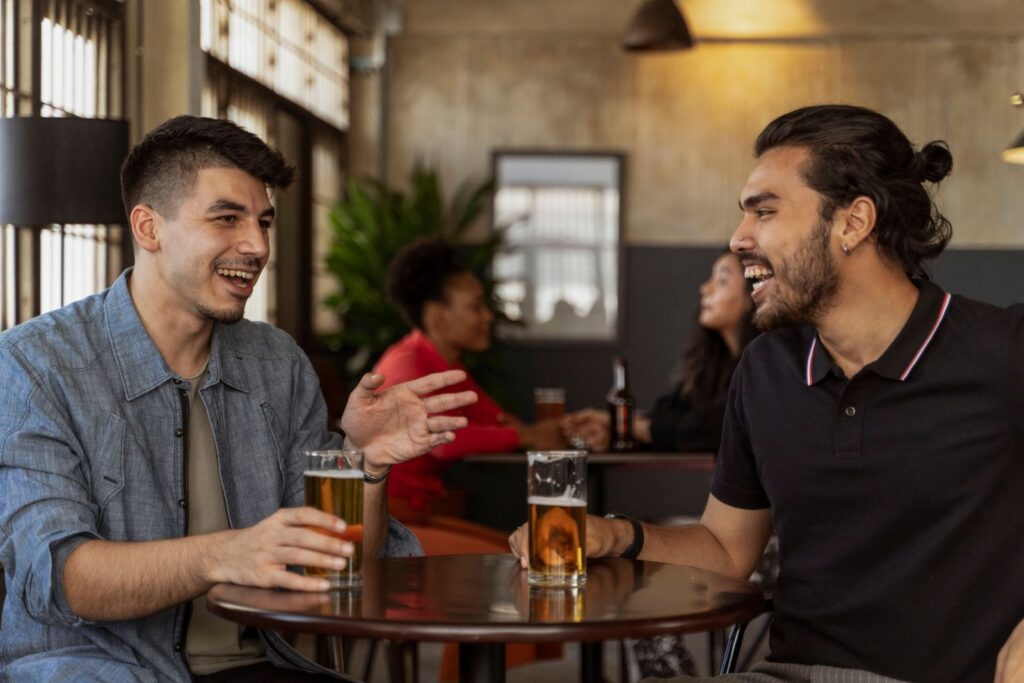
Bar crawls are one of Washington D.C.’s most beloved social traditions. Whether you’re exploring the vibrant corridors of Adams Morgan, hopping between the cozy pubs of Capitol Hill, or navigating the lively streets of U Street, a well-planned bar crawl can be an unforgettable evening. But like any activity that involves alcohol and city streets, safety deserves a front-row seat in the planning process.
The good news? Injury and accident data from urban nightlife environments — including studies from cities like D.C. — offer some genuinely useful insights. When you understand what actually causes incidents during bar crawls, you can take smart, practical steps to make sure your night stays fun from the first stop to the last. That’s exactly what this guide is here to help you do.
Whether you’re organizing a group outing, attending an organized event through a company like Barcrawlerz, or just heading out with friends for a spontaneous crawl through D.C.’s nightlife scene, the strategies below are grounded in real data and designed to keep everyone safe and smiling.
Understanding the Risk Landscape: What the Data Actually Shows
Before we dive into strategies, it’s worth understanding what kinds of incidents are most common during bar crawl-style events. Research on nighttime alcohol-related incidents in urban environments consistently points to a few key risk categories:
- Pedestrian accidents and falls on uneven sidewalks or curbs
- Alcohol poisoning and overconsumption incidents
- Transportation-related accidents, particularly after leaving bars late at night
- Interpersonal conflicts that escalate in crowded venues
- Separation from the group leading to vulnerable solo situations
A study published by the National Institute on Alcohol Abuse and Alcoholism found that a significant portion of alcohol-related emergency room visits occur between 10 PM and 2 AM on weekends — prime bar crawl hours. In Washington D.C. specifically, the Metropolitan Police Department’s nighttime incident reports have historically shown spikes in pedestrian-related incidents in neighborhoods with high bar density, including Penn Quarter, Dupont Circle, and Georgetown.
The data doesn’t tell us to avoid bar crawls. It tells us how to do them better. And that’s a very empowering distinction.
The Group Size Sweet Spot: Why Numbers Matter More Than You Think
One of the most consistent findings in nightlife safety research is that group size plays a critical role in both risk and protection. Groups that are too small may lack the social support needed to look out for one another. Groups that are too large become unwieldy, hard to manage, and more likely to experience separation incidents.
The Ideal Bar Crawl Group Size
Safety experts and nightlife organizers generally agree that groups of 6 to 15 people represent the sweet spot for bar crawl safety. In this range, there are enough people to keep an eye on everyone, but not so many that the group becomes chaotic or impossible to coordinate.
Organized bar crawl events, like those run by Barcrawlerz in Washington D.C., often use this principle by design. By structuring events with manageable group sizes and experienced guides or hosts, they reduce the risk of individuals getting lost, overwhelmed, or making poor decisions alone. It’s one of the underrated benefits of joining an organized crawl rather than winging it solo.
Designating a Sober or Semi-Sober Point Person
Within your group, data strongly supports having at least one designated “point person” who drinks more moderately than the rest. This doesn’t mean someone has to be completely sober and miserable — it just means someone who’s keeping a clearer head, watching for signs of overconsumption, and staying aware of the group’s overall status.
“The presence of even one relatively sober individual in a social group significantly reduces the likelihood of alcohol-related emergencies, according to peer-reviewed research on social drinking behavior.”
In a city like D.C., where bar crawls can span multiple neighborhoods connected by Metro stops, crosswalks, and busy avenues, having someone with a clearer head navigating logistics is genuinely invaluable.
Route Planning: The Strategic Backbone of a Safe Bar Crawl
Here’s something most people don’t consider when they’re excitedly mapping out their bar crawl: the route itself is a safety tool. The sequence of stops, the distance between venues, and the transportation options available at each point all have measurable effects on safety outcomes.
Start Close, End Strategically
Accident data from urban nightlife research suggests that incidents spike at two specific points in the evening: very early (when people try to “catch up” too quickly) and very late (when fatigue, accumulated alcohol, and reduced crowd presence create vulnerability). A smart route accounts for both.
Starting your crawl at a venue close to your starting point — whether that’s your home neighborhood, a hotel, or a Metro stop — means that if someone needs to bow out early, they can do so safely and easily. Ending your crawl near a major transportation hub or in a well-lit, high-traffic area means your final moments of the night are the safest possible.
In Washington D.C., great ending points include areas near major Metro stations like Gallery Place-Chinatown, Dupont Circle, or Union Station, all of which have reliable rideshare pickup zones, well-lit streets, and consistent foot traffic even late at night.
Distance Between Stops: The Walking Factor
One of the most underappreciated risk factors in bar crawls is the walking between venues. D.C. pedestrian accident data shows that alcohol-impaired pedestrians are significantly more likely to be involved in incidents at crosswalks and on uneven sidewalk surfaces — both of which are common in older D.C. neighborhoods like Georgetown and Capitol Hill.
The safest bar crawl routes keep walking distances between stops to under 10 minutes on foot. When stops are further apart, consider planning for rideshare or Metro connections rather than walking. This is another area where organized crawl companies like Barcrawlerz add real value — their routes are pre-planned with these logistical realities in mind, so you’re not figuring it out on the fly after your third drink.
Researching Your Venues in Advance
Not all bars are created equal from a safety standpoint. Before your crawl, it’s worth spending a few minutes checking:
- Whether venues have a history of overcrowding on your planned night
- Whether the bar has visible, accessible exits
- Whether the neighborhood has good lighting and consistent foot traffic
- Whether the venue has a reputation for responsible service (i.e., cutting off visibly intoxicated patrons)
Washington D.C.’s Alcoholic Beverage Regulation Administration (ABRA) maintains public records on licensed establishments, including any violations related to over-service. It’s a surprisingly useful resource when you’re putting together a responsible crawl itinerary.
Pacing and Consumption: The Science of Drinking Smarter
No bar crawl safety guide would be complete without talking about alcohol consumption itself. And here’s the thing — the data on this is both clear and surprisingly empowering. You don’t have to drink less to stay safer. You have to drink smarter.
The One-Drink-Per-Stop Rule
One of the most practical strategies endorsed by harm reduction researchers is the “one drink per stop” approach. By limiting yourself to one standard drink at each venue, you naturally pace your consumption across the evening, allowing your body time to process alcohol between stops.
This strategy works especially well on organized crawls where the number of stops is fixed and the time at each venue is structured. It also makes the math easy: if you’re hitting six bars over four hours, you’re looking at a manageable and relatively safe consumption level for most adults.
Food and Hydration: Non-Negotiable Safety Factors
Research is unambiguous on this point: alcohol consumed on an empty stomach is absorbed significantly faster and leads to higher peak blood alcohol concentration. Eating a substantial meal before your crawl — and ideally snacking at stops that offer food — dramatically reduces your risk of overconsumption incidents.
Similarly, hydration matters enormously. D.C.’s bar scene can get hot and crowded, particularly in summer months, and dehydration compounds the effects of alcohol. A simple rule: drink one glass of water for every alcoholic drink you consume. It sounds basic, but it’s one of the most evidence-backed strategies for reducing next-day consequences and in-the-moment impairment.
“Alcohol-related emergency department visits drop significantly among social drinkers who eat before and during drinking sessions, according to data from the Substance Abuse and Mental Health Services Administration.”
Recognizing and Responding to Overconsumption in Your Group
Even with the best planning, someone in your group may drink more than intended. Knowing how to recognize and respond to this is a critical safety skill. Signs to watch for include:
- Slurred speech or difficulty forming sentences
- Loss of coordination or repeated stumbling
- Unusual aggression or emotional volatility
- Confusion about where they are or what’s happening
- Nausea or vomiting
If you notice these signs in a fellow crawl participant, it’s time to prioritize their wellbeing over the fun of continuing. Help them find a safe place to sit, get them water, and if necessary, arrange safe transportation home. In serious cases — particularly if someone is unresponsive or having difficulty breathing — call 911 immediately. Washington D.C.’s emergency services are well-equipped to handle alcohol-related medical situations, and there is no shame in making that call.
Transportation Safety: Getting There and Getting Home
Transportation is where a disproportionate number of alcohol-related tragedies occur. The data is stark: drunk driving remains one of the leading causes of alcohol-related fatalities in the United States, and even pedestrian navigation of urban streets while intoxicated carries measurable risk.
Planning Your Transportation Before You Start Drinking
The single most effective transportation safety strategy is to make your plan before the crawl begins — not at the end of the night when judgment is impaired. This means:
- Downloading and setting up rideshare apps (Uber, Lyft) before you leave home
- Identifying the nearest Metro stations to each stop on your route
- Establishing a clear rule that no one drives after drinking — no exceptions
- Knowing the last Metro train times for your planned route (D.C.’s Metro closes at midnight on weekdays and 3 AM on weekends)
Washington D.C. is actually one of the more transit-friendly cities in the country for nightlife, which is a genuine asset. The Metro system, combined with robust rideshare availability, means there’s almost never a good reason to drive or walk long distances alone late at night.
The Buddy System for Transportation
Never let a member of your group leave a venue alone to get transportation, especially late at night. The buddy system — pairing people up to wait for and board rideshares together — is a simple but highly effective safety measure. It ensures no one is standing alone on a D.C. street corner at 1 AM trying to figure out where their Uber is.
Organized bar crawl events through companies like Barcrawlerz often have built-in end-of-night coordination that helps with exactly this scenario, which is another reason why structured events can actually be safer than purely spontaneous outings.
D.C.-Specific Safety Considerations for Bar Crawlers
Washington D.C. has its own unique nightlife geography and safety landscape. Understanding these local factors can help you make smarter decisions on the ground.
Neighborhood Safety Profiles
D.C.’s bar crawl neighborhoods each have their own character and safety considerations:
Adams Morgan is one of D.C.’s most popular nightlife destinations, with a dense concentration of bars and restaurants on 18th Street NW. It can get extremely crowded on weekend nights, which increases the risk of both pedestrian congestion and interpersonal conflicts. Stick to the main strip, stay aware of your surroundings, and plan your rideshare pickup from a slightly less congested side street.
Dupont Circle offers a slightly more spread-out bar scene with good Metro access. The circular layout of the neighborhood can be disorienting late at night, so having a map or navigation app handy is a good idea.
Capitol Hill / Barracks Row is a great crawl destination with a neighborhood feel and generally good lighting. 8th Street SE has a walkable strip of bars that works well for a shorter, more relaxed crawl format.
Georgetown is picturesque but presents some unique challenges: the streets are older, the sidewalks can be uneven, and Metro access is limited (there’s no Metro station in Georgetown proper). Plan your rideshare logistics carefully if Georgetown is on your route.
U Street Corridor has excellent Metro access and a vibrant, diverse bar scene. It’s a great crawl neighborhood, though parking can be extremely limited, making it another spot where transit or rideshare is strongly preferred over driving.
Weather and Seasonal Considerations
D.C.’s weather can be a significant safety factor. Summer nights bring heat and humidity that accelerate dehydration, compounding alcohol’s effects. Winter nights bring ice and cold that increase fall risks on outdoor surfaces. Always dress appropriately for the weather, and if conditions are particularly severe, consider adjusting your route to minimize outdoor walking time.
The Role of Organized Bar Crawls in Harm Reduction
Here’s something that might surprise you: organized, structured bar crawls often have better safety outcomes than spontaneous group outings. The reason is straightforward — when an event has structure, leadership, and pre-planned logistics, many of the ad-hoc decision points that lead to risky choices are removed from the equation.
Companies like Barcrawlerz in Washington D.C. build safety into the experience by design. Pre-selected venues, managed group sizes, structured timing, and experienced hosts all contribute to an environment where participants can focus on having fun while the safety logistics are handled by people who’ve thought carefully about them.
This doesn’t mean organized crawls are risk-free — no social activity involving alcohol ever is. But the structure itself is a meaningful harm reduction tool, and the data on event-based versus unplanned drinking activities supports this conclusion.
“Structured social drinking events with designated organizers and pre-planned routes are associated with lower rates of alcohol-related incidents compared to unplanned group outings of similar size, according to harm reduction research in urban nightlife settings.”
Building a Safety-First Culture Within Your Group
Perhaps the most powerful safety tool of all isn’t a strategy or a route — it’s a culture. Groups that openly discuss safety expectations before a bar crawl are significantly more likely to look out for one another and make good decisions throughout the night.
The Pre-Crawl Conversation
Before your group heads out, take five minutes to align on a few key points:
- Who’s the point person for the evening?
- What’s the plan if someone needs to leave early?
- What’s the transportation plan at the end of the night?
- What’s everyone’s comfort level, and is anyone on medication or dealing with health considerations that affect alcohol tolerance?
This conversation doesn’t have to be heavy or buzzkill-inducing. Frame it as part of the planning fun — you’re building the best possible night together, and safety is part of what makes it great.
Checking In Throughout the Night
Make it a habit to do a quick group check-in at each stop. How’s everyone feeling? Does anyone need water or food? Is everyone accounted for? These brief moments of group awareness can catch problems early, before they escalate into emergencies.
In a city as dynamic and bustling as Washington D.C., it’s surprisingly easy for someone to drift away from the group unnoticed. A quick headcount at each venue transition takes about ten seconds and can make a real difference.
What to Do If Something Goes Wrong
Even with all the right strategies in place, incidents can happen. Knowing what to do in advance — before you’re stressed and potentially impaired — is a critical piece of bar crawl safety preparation.
Emergency Resources in Washington D.C.
Keep these resources in mind before your crawl:
- Emergency: 911 for any life-threatening situation
- D.C. Police Non-Emergency Line: (202) 727-9099
- Poison Control: 1-800-222-1222 (for suspected alcohol poisoning)
- Safe Ride Options: Uber, Lyft, and DC Circulator bus are all available throughout the night
Washington D.C. also has a network of hospitals with emergency departments that are experienced in handling alcohol-related medical situations. George Washington University Hospital, MedStar Georgetown University Hospital, and Howard University Hospital are all well-equipped and accessible from major nightlife neighborhoods.
Good Samaritan Protections in D.C.
Washington D.C. has Good Samaritan laws that provide legal protection for individuals who call for emergency help for someone experiencing an alcohol-related medical emergency. If someone in your group is in trouble, don’t hesitate to call 911 out of fear of legal consequences — the law is designed to encourage exactly this kind of responsible action.
Bringing It All Together: Your Safe Bar Crawl Checklist
Let’s wrap up with a practical, actionable checklist you can use before your next D.C. bar crawl. Whether you’re organizing an event yourself or joining an organized outing through a group like Barcrawlerz, these steps will help ensure your night is as safe as it is fun.
Before You Go
- Eat a full meal
- Download rideshare apps and have payment set up
- Designate a point person in your group
- Plan your route with walking distances in mind
- Check Metro hours and identify nearby stations
- Have the pre-crawl safety conversation
- Charge your phone fully
During the Crawl
- Stick to one drink per stop when possible
- Alternate alcoholic drinks with water
- Do a headcount at each venue transition
- Watch for signs of overconsumption in your group
- Stay on well-lit, populated streets when walking
- Never leave a group member alone
At the End of the Night
- Use rideshare or Metro — never drive after drinking
- Use the buddy system for rideshare pickup
- Confirm everyone gets home safely before signing off
- Drink water and eat something before bed
Final Thoughts: Safe Bar Crawls Are Better Bar Crawls
Here’s the bottom line: the injury and accident data doesn’t paint bar crawls as inherently dangerous. It shows us that the risks are specific, predictable, and largely preventable with the right strategies in place. That’s genuinely good news for everyone who loves Washington D.C.’s incredible nightlife scene.
A bar crawl where everyone makes it home safely, has a blast, and wakes up the next morning with great memories (and maybe a mild headache) is simply a better bar crawl than one where things go sideways. Safety and fun aren’t opposites — they’re partners.
If you’re looking for a bar crawl experience in Washington D.C. that has safety built into its DNA alongside an amazing time, Barcrawlerz is worth checking out. Their organized events take the logistical headaches off your plate and let you focus on what really matters: great drinks, great company, and great memories in one of America’s most exciting cities.
Now go out there, explore D.C.’s incredible bar scene, and do it smartly. Cheers to a night you’ll actually remember — for all the right reasons.