
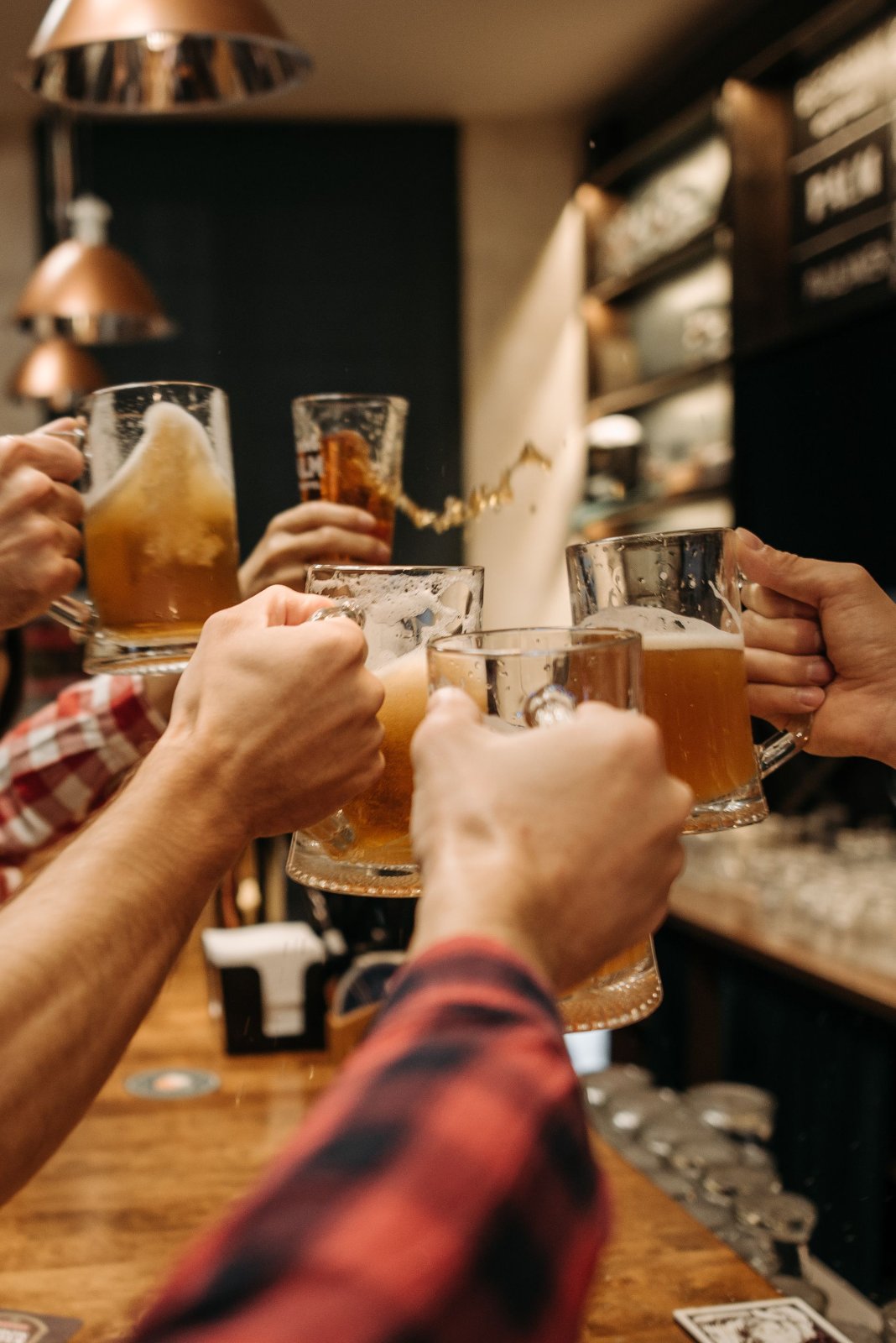
When most people think about bar crawls, they picture a fun night out with friends, laughter echoing through the streets, and the electric energy of discovering new venues one after another. But beneath the surface of that lively social experience, something far more fascinating is happening inside your brain. Neurochemical shifts triggered by the combination of social bonding, novelty-seeking, and moderate celebration can actually contribute to enhanced mood regulation and, over time, greater mental resilience. In Washington DC — a city known for its high-pressure political atmosphere and relentless professional demands — understanding how intentional social experiences affect brain chemistry could be the key to better mental wellness.
This article explores the science behind what happens in your brain during a well-organized bar crawl, why Washington DC residents may particularly benefit from these neurochemical boosts, and how guided experiences like those offered by Barcrawlerz can serve as a surprisingly effective tool for mental well-being.
Understanding the Brain’s Chemistry During Social Celebrations
Before diving into the specifics of bar crawls, it’s important to understand the neurochemical landscape that governs our mood, motivation, and resilience. The human brain is a complex network of chemical messengers, and social activities are one of the most powerful natural triggers for positive neurochemical activity.
Dopamine: The Novelty and Reward Chemical
Dopamine is often called the brain’s “feel-good” neurotransmitter, but its role is more nuanced than simple pleasure. Dopamine is fundamentally tied to anticipation, novelty, and reward-seeking behavior. When you walk into a new bar you’ve never visited before, your brain releases a surge of dopamine in response to the novel environment. Now multiply that by five or six venues in a single evening, and you begin to understand why bar crawls feel so invigorating.
This repeated dopamine stimulation doesn’t just feel good in the moment — it actually reinforces neural pathways associated with curiosity, exploration, and positive expectation. Over time, regularly engaging in novelty-rich social activities can recalibrate your brain’s baseline dopamine sensitivity, making it easier to experience satisfaction and motivation in daily life.
Oxytocin: The Bonding Hormone That Builds Resilience
Oxytocin, frequently referred to as the “love hormone” or “bonding chemical,” is released during meaningful social interactions. Shared laughter, physical proximity, group conversations, and even the simple act of clinking glasses with someone can trigger oxytocin release. This powerful hormone is directly linked to feelings of trust, connection, and emotional safety.
Research has consistently shown that higher oxytocin levels are associated with reduced stress responses and greater psychological resilience. When Washington DC professionals — who often operate in high-stakes, competitive environments — engage in genuine social bonding during group events like bar crawls, they are effectively building a neurochemical buffer against future stressors.
Serotonin: Stability Through Social Status and Belonging
Serotonin plays a crucial role in mood stability, and one of its most interesting triggers is the feeling of social belonging and group acceptance. Being part of a fun, welcoming group — laughing together, navigating new venues, sharing inside jokes that develop organically throughout the evening — activates serotonin pathways that contribute to a sustained sense of well-being.
Unlike the quick spike-and-crash pattern of some stimulants, serotonin-driven mood improvements tend to be more gradual and lasting. This is why people often report feeling good not just during a bar crawl, but for days afterward.
Why Washington DC Residents May Benefit Most From Neurochemical Social Experiences
Washington DC is a unique city. It attracts some of the most driven, ambitious, and high-achieving individuals in the country. Politicians, lobbyists, lawyers, journalists, nonprofit leaders, and government employees all converge in one of the most intellectually intense urban environments in the world. While this creates an incredibly stimulating city to live in, it also creates a population that is particularly vulnerable to chronic stress, social isolation, and burnout.
“In a city where networking often feels transactional and every conversation carries an agenda, genuine social experiences that trigger authentic neurochemical bonding are not just enjoyable — they are essential for mental health.”
DC’s vibrant bar and nightlife scene, spread across neighborhoods like Adams Morgan, U Street Corridor, Capitol Hill, Georgetown, and Shaw, provides the perfect backdrop for the kind of multi-venue social exploration that maximizes neurochemical benefits. Moving through different neighborhoods, experiencing different atmospheres, and encountering a variety of social dynamics in a single evening provides the novelty stimulation that dopamine craves while simultaneously building the community bonds that oxytocin and serotonin reward.
The Science of Structured Social Exploration: Why Bar Crawls Work
Not all social experiences are created equal when it comes to neurochemical impact. A structured bar crawl, as opposed to a random night out, offers several specific advantages that amplify the mental health benefits.
Planned Novelty Maximizes Dopamine Release
Anticipation is one of dopamine’s most powerful triggers. When you know in advance that you’re going to visit multiple unique venues over the course of an evening, your brain begins releasing dopamine before the event even starts. This pre-event dopamine surge enhances motivation, excitement, and a sense of purposeful activity — all of which are associated with positive mental states.
Barcrawlerz, one of Washington DC’s most popular organized bar crawl experiences, expertly curates routes that maximize this sense of anticipation and discovery. By carefully selecting venues across DC’s most dynamic neighborhoods and building in themed elements, social games, and group activities, they create an experience that keeps dopamine firing throughout the entire evening.
Group Dynamics Amplify Oxytocin Production
Joining a structured group event, particularly one where you may not know everyone at the start, creates ideal conditions for oxytocin release. The shared mission of navigating the crawl together, the collective energy of the group, and the natural icebreakers built into the experience all facilitate the kind of authentic human connection that triggers bonding neurochemistry.
Research in social psychology suggests that shared novel experiences — especially those involving mild positive challenges like finding a new venue or winning a group trivia round — create stronger bonds between participants than familiar, routine activities. This is why many Barcrawlerz participants report that they made genuine friendships during events, not just casual acquaintances.
The Role of Moderate Alcohol in the Neurochemical Equation
It would be incomplete to discuss bar crawls without addressing the role of alcohol itself. In moderate quantities, alcohol enhances the release of GABA (gamma-aminobutyric acid), a neurotransmitter that reduces anxiety and promotes relaxation. It also temporarily increases dopamine activity, which contributes to the social lubrication effect that makes conversation feel easier and more rewarding.
The key word here is moderation. The neurochemical benefits described in this article are associated with responsible, moderate consumption — not excessive drinking. Barcrawlerz actively promotes responsible enjoyment, and the structure of their events naturally encourages pacing, hydration breaks, and a focus on the social experience rather than the alcohol itself.
Long-Term Mental Resilience: How Regular Social Engagement Rewires the Brain
The neurochemical benefits of a single bar crawl are real and meaningful, but the truly exciting science lies in what happens when positive social experiences become a regular part of your life. The brain is remarkably plastic — meaning it can physically change its structure and function in response to repeated experiences.
Neuroplasticity and the Social Brain
When you regularly engage in positive social activities that trigger dopamine, oxytocin, and serotonin release, you are literally reshaping your brain. Neural pathways associated with positive social reward become stronger and more efficient. The amygdala — the brain’s threat detection center — becomes less hyperactive in social situations. The prefrontal cortex, responsible for emotional regulation and rational decision-making, becomes better at managing stress responses.
This is what neuroscientists mean when they talk about building mental resilience. It’s not just a metaphor — it’s a measurable, physical change in brain architecture driven by consistent positive social experiences.
Social Capital as a Mental Health Resource in DC
In Washington DC, where professional relationships often dominate social life, building genuine social capital — authentic friendships and community connections — is a powerful mental health strategy. Studies from Harvard’s long-running study on adult development have consistently found that the quality of social relationships is the single most important predictor of long-term happiness and mental resilience.
Events like those organized by Barcrawlerz provide a structured, low-pressure environment for DC residents to expand their social networks beyond their professional circles. Whether you’re a long-time DC resident looking to meet new people or a newcomer trying to find your community in a new city, these experiences offer genuine opportunities for the kind of social bonding that supports lasting mental well-being.
Practical Tips for Maximizing the Mental Health Benefits of Your Next Bar Crawl
Understanding the science is one thing — putting it into practice is another. Here are some actionable strategies to help you get the most neurochemical benefit from your next bar crawl experience in Washington DC.
Embrace the Novelty Intentionally
Rather than sticking to your comfort zone or spending the entire evening on your phone, make a conscious effort to engage with the novelty of each new venue. Notice the decor, try a drink you’ve never had before, strike up a conversation with someone new. Each of these small acts of intentional exploration triggers additional dopamine release and enriches the overall neurochemical experience.
Prioritize Genuine Connection Over Networking
In a city as professionally driven as Washington DC, it can be tempting to approach every social situation as a networking opportunity. But for maximum oxytocin and serotonin benefits, try to set that mindset aside for the evening. Focus on being genuinely present with the people around you, listening actively, and allowing authentic connections to develop naturally.
Practice Mindful Moderation
The neurochemical sweet spot for social enjoyment involves enough relaxation to lower social anxiety without tipping into the neurological disruption that comes with excessive alcohol consumption. Drink water between venues, eat before and during the crawl, and stay attuned to how you’re feeling throughout the evening. Barcrawlerz events are designed to support this kind of mindful enjoyment.
Reflect on the Experience Afterward
Journaling or simply taking a few minutes to reflect on positive moments from the evening can extend the serotonin and oxytocin benefits by reinforcing the neural pathways associated with those positive experiences. Gratitude and positive memory consolidation are powerful tools for long-term mood regulation.
Barcrawlerz: Washington DC’s Premier Neurochemical Social Experience
If you’re looking to experience the full spectrum of neurochemical benefits that a well-organized bar crawl can offer, Barcrawlerz is Washington DC’s premier choice. With thoughtfully curated routes through DC’s most vibrant neighborhoods, expertly designed social activities that facilitate genuine bonding, and a community-focused atmosphere that welcomes everyone from longtime locals to recent transplants, Barcrawlerz has built a reputation as the city’s most engaging group social experience.
Their events aren’t just about visiting bars — they’re about creating the kind of shared, novel, community-building experiences that your brain is literally wired to reward. From themed crawls through Adams Morgan to neighborhood explorations in Shaw and beyond, every Barcrawlerz event is designed to maximize the social and neurochemical value of the experience.
“Your brain doesn’t distinguish between a therapy session and a great night out with genuine friends — it only knows whether the neurochemical signals it receives are positive or negative. Barcrawlerz creates consistently positive signals.”
Conclusion: Reframing Social Celebration as Mental Wellness
The science is clear: positive social experiences that combine novelty, genuine human connection, and shared celebration trigger powerful neurochemical responses that support mood regulation and build long-term mental resilience. In a high-pressure city like Washington DC, where stress and social isolation are common occupational hazards, intentional social experiences are not a luxury — they are a legitimate mental health strategy.
Bar crawls, when approached thoughtfully and enjoyed responsibly, represent one of the most accessible and enjoyable ways to activate these beneficial neurochemical systems. They combine novelty-driven dopamine stimulation, oxytocin-generating social bonding, and serotonin-boosting community belonging into a single, memorable experience.
So the next time someone asks you why you’re signing up for a Barcrawlerz event in Washington DC, you can tell them the truth: you’re investing in your neurochemical health, building mental resilience, and doing exactly what your brain was designed to do — connect, explore, and celebrate with other human beings. And it just happens to be a lot of fun in the process.