
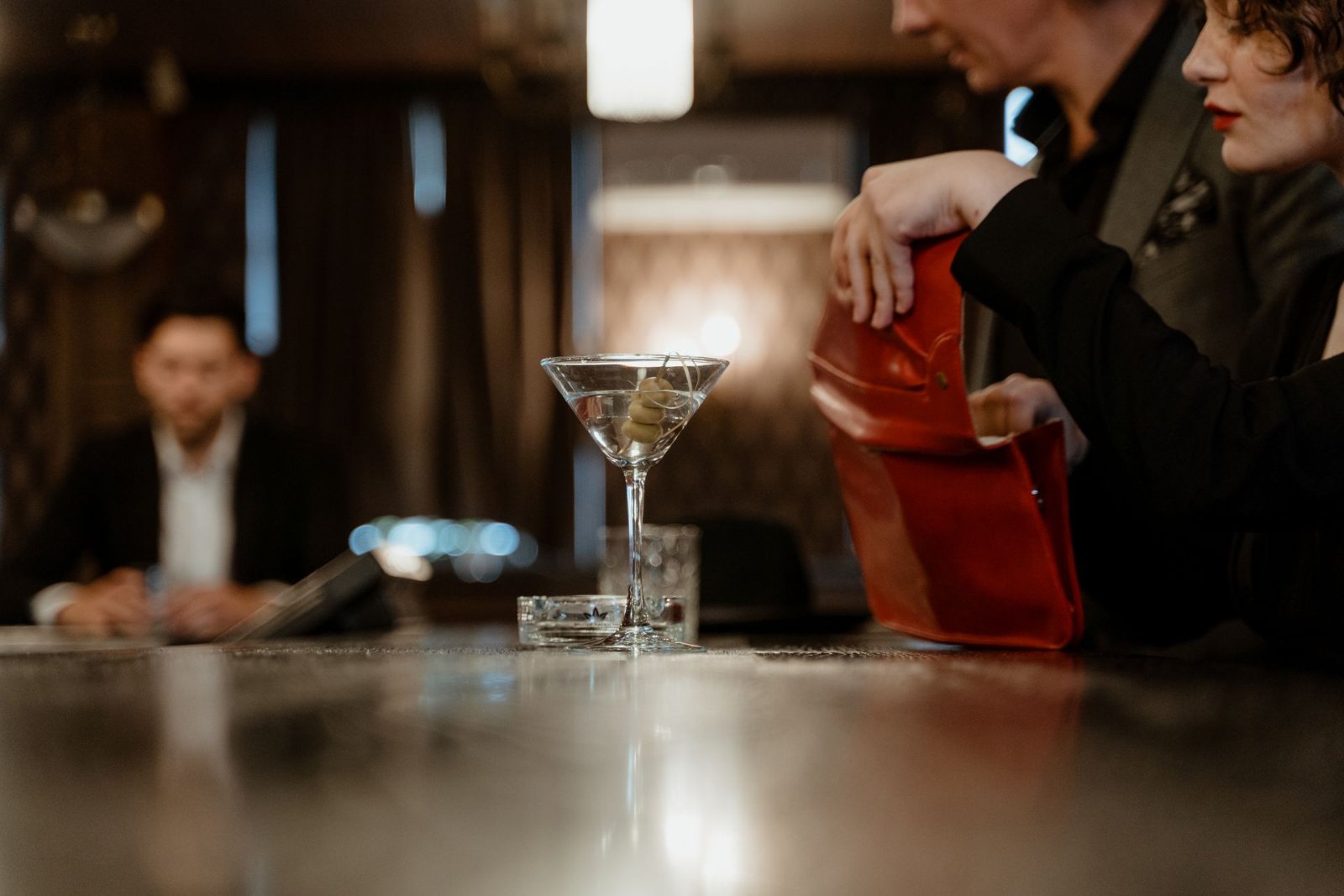
Bar crawling has quietly become one of the most underrated social rituals in modern urban life. What sounds like a simple night out — hopping from bar to bar with a group of friends or strangers — is actually a surprisingly rich experience that researchers and mental health advocates have begun to recognize for its genuine psychological benefits. Connection, laughter, shared adventure, and the simple act of being present with other people all contribute to measurable improvements in mood, loneliness reduction, and even long-term mental wellness.
But here’s the thing that most people don’t talk about: not all bar crawls are created equal. In a city as layered and complex as Washington DC, where neighborhoods shift dramatically in character from one block to the next, the wrong venue choices can completely undermine everything that makes a bar crawl valuable. Instead of leaving the night feeling energized and connected, you might end up exhausted, overstimulated, disconnected, or just plain disappointed.
This article is for anyone who wants to understand why venue and neighborhood selection matters so deeply — not just for fun, but for the actual mental and social health benefits that a well-planned bar crawl can deliver. We’ll walk through the psychology, the geography of DC’s bar scene, and how services like Barcrawlerz help people get this right from the very beginning.
Why Bar Crawling Actually Has Real Mental Health Benefits
Before we dive into the pitfalls of poor venue selection, it’s worth taking a moment to appreciate what bar crawling, done right, genuinely offers. This isn’t just about getting drinks — it’s about something much more fundamental to human wellbeing.
The Science of Social Connection and Why It Matters
Loneliness has been called a public health epidemic. The American Psychological Association has noted that social isolation carries health risks comparable to smoking 15 cigarettes a day. In a city like Washington DC, where the transient nature of the political and professional workforce means that people are constantly coming and going, building and maintaining social connections is both critically important and surprisingly difficult.
Bar crawls create what sociologists call “low-stakes social environments.” The shared goal of moving from venue to venue, combined with the casual atmosphere and the presence of alcohol as a social lubricant, lowers the psychological barriers to genuine conversation and connection. People who might feel awkward at a formal dinner or a structured networking event often find themselves laughing and opening up during a well-run bar crawl.
The Psychological Power of Shared Adventure
There’s also the element of shared experience. Psychology research consistently shows that doing things together — especially novel, slightly unpredictable activities — creates stronger social bonds than passive shared experiences like watching a movie together. A bar crawl, with its movement through different spaces, its small surprises, its collective decision-making, hits all the markers of a bonding activity.
“The best bar crawls feel like a small adventure. You’re not just drinking — you’re exploring, discovering, and experiencing something together. That shared narrative is what creates real connection.”
This is why the quality of the experience matters so much. When a bar crawl goes wrong — when the venues are loud and chaotic, when the neighborhoods feel unsafe or unwelcoming, when the energy is off — you don’t just have a bad night. You miss out on all of those psychological benefits entirely.
How the Wrong Venues Can Undermine Everything
Let’s get specific about the ways that poor venue selection sabotages the mental and social health benefits of bar crawling. Understanding these mechanisms will help you make smarter choices — or choose a service like Barcrawlerz that makes those choices for you.
Overstimulating Environments Kill Conversation
One of the most common mistakes in planning a DC bar crawl is choosing venues based purely on their popularity or their Instagram aesthetic. The problem is that the most visually impressive bars are often the loudest, the most crowded, and the least conducive to actual human conversation.
When you can’t hear the person next to you, when the music is so loud that you’re essentially alone in a crowd, the social benefits of being together evaporate. You might as well be standing next to each other in silence. The connection that a bar crawl is supposed to foster requires, at minimum, the ability to speak and be heard.
In Washington DC specifically, neighborhoods like certain stretches of U Street or parts of Adams Morgan are famous for their nightlife energy — but that energy can easily tip from exciting to overwhelming, particularly for introverted participants or anyone dealing with anxiety. A well-planned crawl accounts for this, mixing high-energy venues with quieter, more intimate spots.
Unsafe or Uncomfortable Neighborhoods Create Anxiety Instead of Joy
Washington DC is a city of dramatic contrasts. A neighborhood that feels vibrant and welcoming at 7 PM can feel very different at midnight. Choosing a route that takes participants through areas where they feel unsafe — or even just uncomfortable — introduces a background level of anxiety that colors the entire experience.
This isn’t just about physical safety, though that matters enormously. It’s also about psychological comfort. If participants are spending mental energy monitoring their surroundings, worrying about where they parked, or feeling out of place in a neighborhood that doesn’t match their vibe, they’re not fully present in the social experience. And presence is everything when it comes to genuine connection.
Poor Pacing and Geographic Spread Leads to Exhaustion, Not Euphoria
Another common mistake is planning a crawl where the venues are too spread out, requiring long walks or Uber rides between stops. What sounds manageable on a map becomes exhausting in practice, especially after a few drinks. By the time you reach the third or fourth venue, people are tired, their feet hurt, and the energy has drained away.
The mental health benefits of a bar crawl — the mood lift, the sense of adventure, the social bonding — require sustained positive energy throughout the experience. When the logistics work against you, that energy dissipates. A good crawl should feel effortless in its movement, with venues close enough to walk between comfortably, in a neighborhood where the journey itself is part of the experience.
Mismatched Venue Personalities Fragment the Group
Every bar has a personality. Some are rowdy sports bars, some are sophisticated cocktail lounges, some are dive bars with a beloved local character, some are themed spaces that appeal to very specific tastes. When a bar crawl strings together venues with wildly incompatible personalities, the group tends to fragment — some people love one stop and hate the next, creating social friction rather than cohesion.
A thoughtfully curated crawl builds a coherent narrative arc through its venue selection. Maybe it starts casual and gets progressively more lively. Maybe it has a theme — DC history, craft cocktails, live music — that ties the venues together. This narrative coherence is what transforms a random night of drinking into a shared story that participants will actually remember and talk about.
Washington DC’s Neighborhood Landscape: What You Need to Know
Washington DC offers an extraordinary range of bar crawl environments, but navigating them wisely requires local knowledge. Let’s look at some of the key neighborhoods and what they realistically offer for a socially and mentally enriching crawl.
Capitol Hill and Barracks Row: History Meets Approachability
Capitol Hill is one of DC’s most walkable and socially welcoming neighborhoods for bar crawls. Barracks Row on 8th Street SE has a wonderful mix of neighborhood bars, restaurants with great bar programs, and venues that feel genuinely welcoming rather than aggressively trendy. The streets are safe, well-lit, and pedestrian-friendly, and the overall vibe is relaxed and convivial.
For groups that want to feel connected and comfortable, Capitol Hill is an excellent starting point. The bars here tend to have reasonable noise levels, which means actual conversation is possible — a prerequisite for any bar crawl that’s supposed to deliver social benefits.
Shaw and Logan Circle: The Sweet Spot of Energy and Accessibility
Shaw has emerged as one of DC’s most interesting neighborhoods for nightlife over the past decade, and for good reason. The area around 7th and 9th Streets NW offers a genuinely diverse mix of venues — from sophisticated cocktail bars to music venues to casual neighborhood spots — all within easy walking distance of each other.
Logan Circle, adjacent to Shaw, adds a slightly more polished energy to the mix. Together, these neighborhoods offer the kind of variety that makes for a genuinely memorable crawl, with enough contrast between venues to keep things interesting without the jarring personality clashes that can fragment a group.
Georgetown: Beautiful but Logistically Challenging
Georgetown is gorgeous, and its bar scene has real character, but it presents some significant logistical challenges for a bar crawl. The neighborhood is not metro-accessible, parking is notoriously difficult, and the streets can become extremely crowded on weekend nights. For groups relying on rideshares, the surge pricing in Georgetown on busy nights can be genuinely shocking.
This doesn’t mean Georgetown can’t be part of a great crawl — but it needs to be approached with clear eyes about the logistical friction it introduces. If that friction creates stress and frustration, it undermines the mental health benefits you’re trying to achieve.
U Street Corridor: High Energy, High Stakes
The U Street Corridor is arguably DC’s most famous nightlife district, and it absolutely has venues that can be wonderful bar crawl stops. But it’s also the neighborhood where the pitfalls of poor selection are most acute. The strip includes everything from intimate jazz bars to massive nightclubs, and choosing the wrong mix from this range can create a wildly uneven experience.
A great U Street crawl requires careful curation — knowing which venues are conversation-friendly, which have the right energy for your group, and how to sequence them for maximum impact. This is exactly the kind of local knowledge that separates a great bar crawl from a mediocre one.
Navy Yard and The Wharf: DC’s Newer Nightlife Frontiers
Two of DC’s newer entertainment districts — Navy Yard near Nationals Park and The Wharf along the Southwest waterfront — offer interesting possibilities for bar crawls with a different energy. These areas are newer, cleaner, and more deliberately designed for entertainment, which has pros and cons.
On the positive side, they’re extremely walkable within their districts, they’re generally safe and well-maintained, and they offer some genuinely excellent bars and restaurants. On the downside, they can feel a bit corporate or manufactured compared to the organic character of older DC neighborhoods. For some groups, this is perfectly fine — for others, it might feel like something is missing.
The Barcrawlerz Approach: Why Expert Curation Changes Everything
This is where a service like Barcrawlerz becomes genuinely valuable, not just as a convenience but as a meaningful contributor to the quality and benefits of your experience. Let’s be honest: most people planning a bar crawl in DC are working with incomplete information, limited local knowledge, and the cognitive load of trying to coordinate a group while also making dozens of small decisions about venues, timing, and routing.
Local Knowledge That Takes Years to Develop
Barcrawlerz brings the kind of deep local knowledge of DC’s bar scene that takes years to accumulate. They know which bars have terrible acoustics despite looking great on Instagram. They know which neighborhoods feel different on Friday nights versus Saturday nights. They know which venues are genuinely welcoming to groups and which ones have staff that make you feel like an inconvenience.
This knowledge is not easily Googleable. It comes from experience, from relationships with venues, and from the kind of attentive observation that only comes from caring deeply about the quality of the experience. When you choose Barcrawlerz, you’re essentially hiring that expertise.
Thoughtful Sequencing That Builds Rather Than Depletes Energy
One of the most underappreciated skills in bar crawl planning is sequencing — the art of ordering venues so that the energy builds progressively, so that the group is always moving toward something rather than away from something. Barcrawlerz thinks about this carefully, designing routes that have a natural narrative arc and that account for the physical and psychological energy of participants throughout the night.
This matters more than most people realize. A crawl that starts too intense burns people out early. A crawl that starts too mellow can feel like it never gets going. The right sequence creates momentum, and momentum is what carries people through to the end of the night feeling genuinely good rather than just tired.
Safety and Comfort as Non-Negotiables
Barcrawlerz takes the safety and comfort of participants seriously, which means they think carefully about neighborhood selection, time of night, and the overall arc of the route. This isn’t just about avoiding dangerous areas — it’s about creating an environment where everyone can relax fully into the experience without background anxiety eating away at their enjoyment.
For groups that include people with anxiety, people who are newer to DC, or people who simply want to enjoy the night without having to worry about logistics, this level of thoughtful planning is genuinely transformative.
Practical Tips for Planning Your Own Washington DC Bar Crawl
Whether you’re working with Barcrawlerz or planning independently, here are some concrete guidelines for making sure your DC bar crawl delivers the social and mental health benefits it’s capable of providing.
Prioritize Walkability Above All Else
The single most important factor in a successful bar crawl is walkability. Choose a neighborhood or a route where all your venues are within comfortable walking distance — ideally no more than five to ten minutes between stops. The walk between bars is part of the experience; it’s when conversations deepen, when the group bonds, when the adventure feeling is strongest. Long Uber rides break that spell entirely.
Mix Venue Types Intentionally
Don’t choose five bars that are all essentially the same. Think about variety — a neighborhood dive, a craft cocktail bar, a rooftop, a place with live music. The contrast between venues is part of what makes the experience feel like an adventure rather than just a long night at the same place. But make sure the variety is coherent — there should be a thread connecting your choices, even if it’s just “all great bars within six blocks of each other.”
Account for the Quiet Moments
Some of the best bar crawl moments happen at quieter venues where people can actually talk. Don’t be afraid to include a stop that’s more low-key, where the group can sit down, catch their breath, and have a real conversation. These quieter moments are often where the deepest connections happen, and they make the livelier stops feel more energetic by contrast.
Know Your Group’s Energy and Needs
A bar crawl for a group of extroverted colleagues celebrating a work milestone looks different from a bar crawl for a group of friends who haven’t seen each other in years and want to catch up. Know what your group needs from the night — connection, celebration, adventure, relaxation — and choose venues that serve those needs.
“The best bar crawl you’ll ever go on is the one that feels like it was designed specifically for your group. That’s not an accident — it’s the result of thoughtful planning.”
Time Your Crawl Strategically
In DC, timing matters enormously. Starting too early means empty bars with no atmosphere. Starting too late means crowded, loud venues where getting a drink takes 20 minutes. Generally, a start time of 7 or 8 PM on a weekend hits the sweet spot — bars are filling up but not yet at peak chaos, and you have the whole night ahead of you.
The Bigger Picture: Bar Crawling as a Mental Health Practice
It might sound slightly grandiose to frame bar crawling as a mental health practice, but bear with us — there’s something genuinely important here. In a city like Washington DC, where the pace of professional life is relentless, where people work long hours and carry significant stress, and where the transient population means that social networks are constantly in flux, intentional social experiences matter.
A well-planned bar crawl is a form of what psychologists call “social investment” — deliberately putting time and energy into human connection. The research on this is clear: people who regularly invest in their social relationships are happier, healthier, and more resilient to stress. They have better immune function, lower rates of depression, and longer lives.
But social investment only works when the experiences you’re investing in are genuinely positive. A stressful, chaotic, or uncomfortable bar crawl doesn’t build social capital — it depletes it. It makes people less likely to try again, less open to the kind of vulnerability that genuine connection requires.
This is why the quality of your venue and neighborhood choices isn’t a trivial detail. It’s the difference between a night that adds to your wellbeing and one that subtracts from it.
What to Look for When Evaluating a Bar Crawl Service in DC
If you’re considering using a professional bar crawl service in Washington DC — and given everything we’ve discussed, there are good reasons to — here’s what to look for.
Evidence of Local Knowledge and Genuine Curation
Does the service demonstrate real knowledge of DC’s neighborhoods and bar scene? Can they explain why they chose specific venues, not just list them? Barcrawlerz, for example, is built on exactly this kind of deep local expertise — they’re not just aggregating Yelp reviews, they’re applying genuine knowledge and taste to their curation.
Attention to Group Dynamics and Customization
The best bar crawl services understand that different groups need different experiences. Look for services that ask questions about your group before making recommendations — how many people, what kind of vibe you’re looking for, whether there are any accessibility needs or preferences. This attentiveness to your specific needs is a strong signal of quality.
Clear Communication About Logistics
Good logistics are the invisible foundation of a great bar crawl. Look for services that are clear and proactive about timing, routing, any reservations or arrangements they’ve made with venues, and what participants should expect. Uncertainty and confusion are the enemies of relaxation and connection.
A Track Record of Positive Experiences
Look at reviews and testimonials — not just star ratings, but the actual content of what people say. Do reviewers mention feeling connected and having real fun? Do they describe the experience as memorable? These qualitative signals tell you much more than an aggregate score.
Final Thoughts: Don’t Let Poor Planning Rob You of a Genuinely Great Experience
Washington DC is one of the most interesting cities in America for nightlife, with a bar scene that reflects the city’s diversity, its intellectual energy, its history, and its constant reinvention. A well-planned bar crawl through this city can be genuinely transformative — a night that creates lasting friendships, lifts your spirits, and reminds you why human connection is worth investing in.
But that potential is only realized when the planning is done thoughtfully. The wrong venues, the wrong neighborhoods, the wrong sequencing — any of these can turn a night with real potential into a forgettable or even unpleasant experience. And when that happens, you don’t just have a bad night. You miss out on the genuine mental and social health benefits that a great bar crawl can deliver.
Whether you’re planning your own crawl or working with a service like Barcrawlerz, take the venue and neighborhood selection seriously. Think about what your group needs, what kind of experience will actually serve their wellbeing, and how to create the conditions for genuine connection. The effort is absolutely worth it — and the results, when you get it right, are genuinely wonderful.
DC is waiting. The bars are open. Now go plan something worth remembering.