
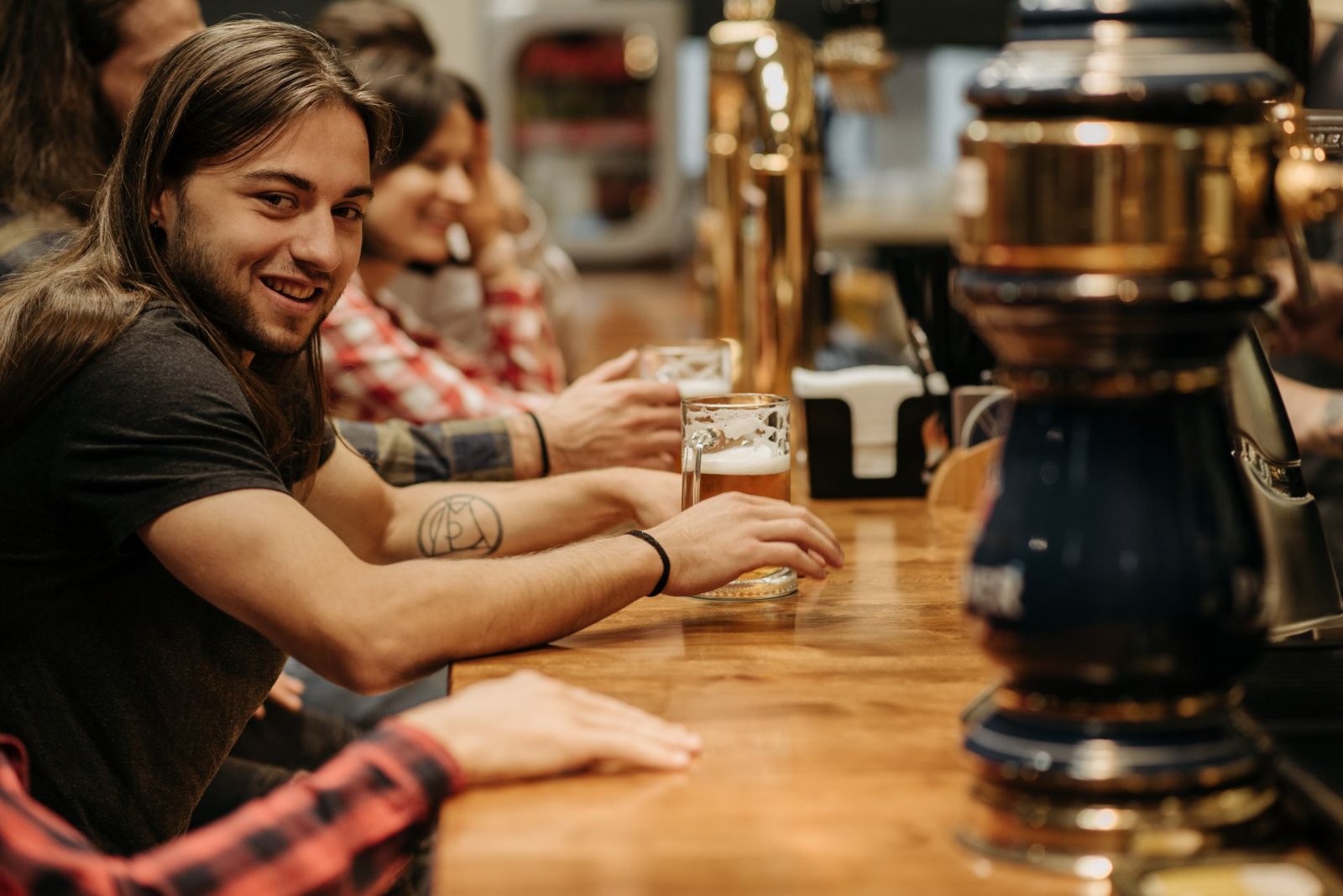
Washington DC knows how to throw a party. From the buzzing bars of Adams Morgan to the craft cocktail lounges in Shaw, the U Street Corridor’s legendary nightlife scene, and the rooftop bars overlooking the Capitol, DC is a city that takes its social scene seriously. And if you’ve ever participated in an organized bar crawl — especially through a well-curated experience like those offered by Barcrawlerz — you know that the fun doesn’t always end when the night does. Sometimes it bleeds into the next morning in the form of a pounding headache, dry mouth, and a serious need for recovery.
But here’s the good news: recovery science has come a long way. The latest wellness data, nutritional research, and hydration science have given us a much clearer picture of what actually works when it comes to bouncing back after a big night out. In this guide, we’re breaking down the most effective bar crawl recovery hacks backed by real science — and tailoring them specifically to the DC lifestyle and nightlife culture.
Whether you’re a seasoned bar crawl veteran or someone who just discovered the magic of hitting multiple venues in one epic night, these strategies will help you feel like yourself again — faster, smarter, and with fewer regrets.
Understanding What Actually Happens to Your Body During a Bar Crawl
Before we dive into the recovery hacks, it helps to understand what’s going on inside your body when you’re bar hopping across Capitol Hill or Dupont Circle. The more you understand the “why,” the better you’ll be at addressing the root causes of how you feel the next day.
The Science of Alcohol and Dehydration
Alcohol is a diuretic. That means it suppresses the production of a hormone called vasopressin (also known as antidiuretic hormone), which normally tells your kidneys to retain water. When vasopressin is suppressed, your kidneys excrete more water than usual — and for every alcoholic drink you consume, your body can lose up to 100-150 mL of additional fluid beyond what you’re drinking.
On a DC bar crawl that involves walking between venues (which, let’s be honest, can cover significant ground), you’re also sweating more than you realize, especially during the warmer months. That combination of alcohol-induced diuresis and physical activity creates a dehydration scenario that’s more intense than most people account for.
Electrolyte Depletion and Why It Matters
It’s not just water you’re losing — it’s electrolytes. Sodium, potassium, magnesium, and zinc are all flushed out of your system when you drink heavily. These minerals play critical roles in nerve function, muscle contractions, and maintaining fluid balance. Their depletion is a major contributor to the headaches, muscle aches, and general fatigue that follow a big night out.
Liver Processing and Acetaldehyde Buildup
Your liver processes alcohol at roughly one standard drink per hour. When you consume more than that — which is pretty easy to do on a multi-stop bar crawl — your liver produces a toxic byproduct called acetaldehyde faster than it can neutralize it. Acetaldehyde is largely responsible for that awful feeling the morning after. It causes inflammation, nausea, and oxidative stress throughout your body.
Blood Sugar Disruption
Alcohol also interferes with your liver’s ability to maintain blood glucose levels, which can lead to hypoglycemia (low blood sugar) the next morning. This contributes to shakiness, fatigue, irritability, and difficulty concentrating — all classic hangover symptoms that are often misattributed solely to dehydration.
Pre-Crawl Preparation: The Recovery Starts Before You Even Leave the House
The best recovery strategy actually begins hours before you take your first sip. The most effective bar crawl veterans know that preparation is everything — and the latest wellness data strongly supports a proactive rather than reactive approach.
The Pre-Hydration Protocol
Drink at least 16-20 ounces of water in the two hours before your bar crawl begins. Better yet, add an electrolyte packet or a pinch of sea salt and a squeeze of lemon to one of those glasses. This pre-loads your body with the hydration reserves it will need throughout the night.
“Hydration before alcohol consumption can significantly reduce the severity of next-day symptoms by maintaining baseline electrolyte balance and reducing the initial shock of alcohol’s diuretic effect on the body.” — Nutritional Wellness Research, 2023
Eat a Substantial Meal Rich in Healthy Fats and Protein
This is not the time for a light salad. Before heading out to meet your Barcrawlerz group for a DC night out, sit down to a proper meal that includes healthy fats (avocado, olive oil, nuts), lean protein (chicken, fish, legumes), and complex carbohydrates (whole grains, sweet potato). Fat slows the absorption of alcohol into your bloodstream, giving your liver more time to process it effectively. Protein supports liver enzyme function, and complex carbs help stabilize blood sugar throughout the night.
Take a B-Vitamin Complex
Alcohol depletes B vitamins — particularly B1 (thiamine), B6, and B12 — at a surprisingly rapid rate. Taking a B-complex vitamin before you go out can help buffer this depletion. B vitamins are water-soluble, so your body will use what it needs and excrete the rest. Some people notice a significant difference in their energy levels and mental clarity the next day when they supplement with B vitamins pre-emptively.
Consider N-Acetyl Cysteine (NAC)
NAC is an amino acid precursor to glutathione — the body’s most powerful antioxidant and one of the primary tools your liver uses to neutralize acetaldehyde. Taking 600mg of NAC about 30-60 minutes before drinking (not after — this is important) has been shown in several studies to reduce oxidative stress associated with alcohol metabolism. It’s available at most health food stores and pharmacies across DC, including Whole Foods in Foggy Bottom and various supplement shops throughout the city.
During the Bar Crawl: Smart Strategies for Real-Time Recovery Management
The decisions you make during your night out have enormous consequences for how you feel the next morning. The good news is that you don’t have to sacrifice fun to be smart about this — it just takes a little intentionality.
The One-for-One Water Rule (And Why It Actually Works)
You’ve probably heard the advice to drink a glass of water between every alcoholic drink. The science behind this is solid. Not only does it slow your overall alcohol consumption, but it actively replaces some of the fluid being lost to alcohol’s diuretic effect. On a bar crawl with multiple stops — like the kind Barcrawlerz organizes across DC’s most exciting neighborhoods — this rule is especially important because you’re also walking, dancing, and physically exerting yourself between venues.
The trick is to actually do it. Order water at each bar alongside your drink order. Most bars in DC will give you tap water for free, and the habit of having both in front of you makes it much easier to stay on track.
Choose Your Drinks Wisely
Not all alcoholic beverages are created equal when it comes to hangovers. Congeners — byproducts of fermentation found in darker liquors like whiskey, bourbon, brandy, and dark rum — are associated with more severe hangovers. Lighter spirits like vodka, gin, and white wine tend to have fewer congeners and are generally easier on your system.
Champagne and sparkling wines, despite being lighter in color, can actually speed up alcohol absorption due to carbonation. Sugary cocktails and mixers spike your blood sugar and then cause it to crash, compounding the next-day fatigue. If you’re going to be hitting multiple bars in one evening, opting for simpler, cleaner drinks can make a meaningful difference.
Pace Yourself Between Venues
One of the underrated benefits of a well-organized bar crawl is the built-in pacing structure. When you’re moving between venues — especially on foot through DC neighborhoods like Georgetown, Logan Circle, or the H Street Corridor — that walking time is actually your body’s opportunity to process alcohol and catch up. Use those transition periods wisely: hydrate, eat a snack if you have one, and take a few deep breaths of fresh air.
Snack Strategically Throughout the Night
Many DC bars offer food menus or have nearby street food options. Eating throughout the night — not just before — helps maintain your blood sugar and slows alcohol absorption. Opt for protein-rich snacks like nuts, cheese, or meat-based appetizers rather than salty chips or sugary foods that will make dehydration worse.
Post-Crawl Recovery: What to Do When You Get Home
The hours immediately after a bar crawl are critical for recovery. What you do (or don’t do) in the time between getting home and going to sleep can dramatically affect how you feel the next morning.
The Nighttime Recovery Stack
Before you go to bed, take the following steps — and yes, even if you’re tired, it’s worth the 10 minutes:
Step 1: Rehydrate with Electrolytes
Drink 16-24 ounces of water with an electrolyte supplement. Options range from commercial sports drinks (look for low-sugar versions) to coconut water, which is naturally rich in potassium. You can also make a DIY electrolyte drink with water, a pinch of sea salt, a squeeze of lemon or lime, and a small amount of honey for glucose. This combination addresses both hydration and blood sugar stabilization simultaneously.
Step 2: Take Magnesium
Magnesium is heavily depleted by alcohol consumption and plays a crucial role in sleep quality, muscle relaxation, and nervous system function. Taking 200-400mg of magnesium glycinate or magnesium citrate before bed can improve your sleep quality and reduce morning muscle tension. Many people who add magnesium to their post-drinking routine report waking up feeling significantly more rested.
Step 3: Eat a Light Snack
Going to bed on a completely empty stomach after drinking can worsen overnight hypoglycemia. A light snack with some complex carbohydrates and protein — like whole grain toast with peanut butter, or a small bowl of oatmeal — can help stabilize your blood sugar while you sleep. Avoid heavy, greasy foods at this stage, as they can disrupt sleep quality and contribute to digestive discomfort.
Step 4: Take Vitamin C and Zinc
Both vitamin C and zinc support your immune system and help combat the oxidative stress caused by alcohol metabolism. Alcohol suppresses immune function, and DC’s busy social scene means you’re often in close quarters with a lot of people. A 500-1000mg dose of vitamin C and a 15-30mg zinc supplement before bed provides antioxidant support while you sleep.
Morning-After Recovery: The Best Hangover Remedies Backed by Science
You wake up. The sun is too bright. Your mouth feels like sandpaper. Your head is doing something it shouldn’t be doing. Here’s what the latest wellness data says actually works — and what doesn’t.
What Actually Works
Hydration First, Always
Before anything else, drink water. Ideally with electrolytes. Keep a large glass of water on your nightstand before you go to bed so it’s the first thing you reach for when you wake up. Aim for at least 32 ounces in the first hour of waking. If plain water makes you nauseous, try adding a small amount of lemon juice or drinking a mild electrolyte solution slowly.
Ginger for Nausea
Ginger has robust scientific support as an anti-nausea agent. It works by blocking serotonin receptors in the gut that trigger nausea and vomiting. Ginger tea, ginger ale (real ginger ale, not the artificial variety), or ginger chews can provide meaningful relief from hangover-related nausea. DC has several excellent tea shops and wellness cafes — particularly in neighborhoods like Petworth and Columbia Heights — where you can find quality ginger-based beverages.
A Balanced Breakfast
The classic “greasy breakfast” myth persists, but the science is more nuanced. While fats and proteins are important, the real goal of a recovery breakfast is to restore blood sugar, replenish B vitamins, and provide amino acids for liver repair. Eggs are genuinely excellent for this — they contain cysteine, which helps break down acetaldehyde, and they’re rich in B vitamins. Pair them with whole grain toast, some fruit for vitamin C and natural sugars, and a side of avocado for healthy fats and potassium.
Light Exercise (Yes, Really)
This one surprises people, but moderate light exercise — a gentle walk, some yoga, light stretching — can actually help your recovery. Exercise increases blood flow, which helps your liver process remaining toxins more efficiently. It also triggers the release of endorphins that can improve your mood and reduce the psychological heaviness that often accompanies a hangover. DC is full of beautiful outdoor spaces perfect for a gentle morning walk — the National Mall, Rock Creek Park, and the waterfront in Georgetown are all excellent options.
Coffee: With Caveats
Caffeine can help with hangover headaches by constricting blood vessels (alcohol causes vasodilation, which contributes to headache pain). However, coffee is also a diuretic, which can worsen dehydration. The solution: drink a full glass of water before and after your coffee, and keep your intake moderate. DC’s incredible coffee culture — from Compass Coffee to Slipstream — means you have no shortage of quality options to choose from.
What Doesn’t Work (Despite Popular Belief)
The “Hair of the Dog” Myth
Drinking more alcohol the morning after does not cure a hangover. It temporarily suppresses symptoms by re-introducing the substance your body is reacting to, but it delays and potentially worsens the recovery process. The science on this is clear: there is no hangover cure that involves more alcohol.
Greasy Food Before Drinking
While eating before drinking is genuinely helpful, specifically greasy food doesn’t have special protective properties. The benefit comes from having food in your stomach — any food — not from the grease itself. After drinking, greasy food can actually disrupt sleep and cause digestive distress.
Sports Drinks as a Primary Hydration Strategy
Standard sports drinks like Gatorade contain a lot of sugar and artificial dyes, and their electrolyte content is actually lower than many people assume. They’re better than nothing, but low-sugar electrolyte solutions, coconut water, or homemade electrolyte drinks are more effective for post-drinking recovery.
DC-Specific Recovery Resources and Tips
Washington DC has a surprisingly robust wellness infrastructure that can support your bar crawl recovery. Here are some local resources worth knowing about:
IV Hydration Therapy
IV hydration clinics have become increasingly popular in DC over the past few years, and for good reason — they’re extremely effective for rapid rehydration and electrolyte replenishment. Several clinics in the area offer hangover recovery IV drips that include saline, B vitamins, vitamin C, magnesium, and anti-nausea medication. While they’re not cheap (typically $100-$200 per session), they can cut recovery time dramatically for severe hangovers.
Wellness Cafes and Juice Bars
DC has an excellent selection of juice bars and wellness cafes that offer recovery-focused options. Cold-pressed juices rich in ginger, turmeric, and green vegetables provide antioxidants and anti-inflammatory compounds that support recovery. Turmeric, in particular, contains curcumin — a powerful anti-inflammatory that can help reduce the systemic inflammation caused by alcohol metabolism.
Green Spaces for Recovery Walks
As mentioned earlier, DC’s abundance of beautiful outdoor spaces makes it ideal for gentle recovery walks. The National Mall, Theodore Roosevelt Island, Kenilworth Aquatic Gardens, and the C&O Canal towpath are all excellent options for a peaceful, restorative morning walk that supports both physical and mental recovery.
Making the Most of Your Bar Crawl Experience with Barcrawlerz
One of the best ways to set yourself up for a successful recovery is to start with a well-organized bar crawl experience. Barcrawlerz has established itself as one of DC’s premier bar crawl organizers, curating experiences that balance fun, social connection, and smart venue selection across the city’s most vibrant neighborhoods.
What makes organized bar crawls like those run by Barcrawlerz particularly recovery-friendly is the structure they provide. Knowing the schedule in advance allows you to plan your food and hydration strategy. The walking routes between venues build in natural pacing. The social atmosphere means you’re often more engaged in conversation than in rapid drinking. And the curated venue selection means you’re spending your time at quality establishments rather than rushing through as many bars as possible.
“The best bar crawl isn’t about drinking as much as possible — it’s about experiencing DC’s incredible nightlife culture, making new connections, and creating memories that you’ll actually remember the next day.”
When you approach a Barcrawlerz event with the recovery strategies outlined in this article in your toolkit, you’re setting yourself up for an experience that’s both genuinely fun and genuinely sustainable. You can enjoy everything DC’s nightlife has to offer without paying an excessive physical price the next day.
Building a Sustainable Bar Crawl Lifestyle: Long-Term Wellness Considerations
For those who enjoy DC’s nightlife scene on a regular basis, it’s worth thinking about recovery as part of a broader wellness strategy rather than just a one-off fix.
Optimize Your Sleep Quality Year-Round
Alcohol disrupts REM sleep, which is the most restorative phase of the sleep cycle. Even if you sleep for eight hours after a night of drinking, you may wake up feeling unrested because the quality of your sleep was compromised. Investing in good sleep hygiene practices — consistent sleep schedules, a dark and cool sleep environment, limiting screen time before bed — helps your body recover more effectively on nights when you do drink.
Support Your Liver Health Between Outings
Your liver is your primary alcohol-processing organ, and supporting its health between nights out pays dividends in your recovery capacity. Milk thistle (silymarin) is a well-researched herbal supplement that supports liver cell regeneration and has antioxidant properties. Eating plenty of cruciferous vegetables (broccoli, Brussels sprouts, cauliflower) supports the liver’s detoxification pathways. And staying well-hydrated on non-drinking days helps your kidneys and liver function optimally.
Know Your Limits and Honor Them
This might seem obvious, but the data is clear: the severity of hangover symptoms scales with the amount consumed. Knowing your personal threshold — the point at which additional drinking stops adding to your enjoyment and starts subtracting from your next-day wellbeing — is one of the most valuable pieces of self-knowledge you can develop as someone who enjoys DC’s nightlife scene.
Consider the Role of Gut Health
Emerging research is highlighting the connection between gut microbiome health and alcohol metabolism. Alcohol disrupts the balance of gut bacteria, which can worsen inflammation and immune suppression. Incorporating probiotic-rich foods (yogurt, kefir, kimchi, kombucha) and prebiotic fiber into your regular diet supports a resilient gut microbiome that handles the occasional night out more gracefully.
Quick Reference: The Ultimate Bar Crawl Recovery Checklist
For easy reference, here’s a consolidated checklist of the most effective recovery strategies covered in this guide:
Before You Go Out
Drink 16-20 oz of water with electrolytes. Eat a substantial meal with healthy fats, protein, and complex carbs. Take a B-complex vitamin. Consider 600mg NAC (30-60 minutes before drinking). Pack a small electrolyte packet for during the night.
During the Bar Crawl
Follow the one-for-one water rule. Choose lighter spirits when possible. Eat snacks between venues. Use walking time between bars to hydrate and pace yourself. Avoid excessive sugary mixers.
When You Get Home
Drink 16-24 oz of water with electrolytes. Take 200-400mg magnesium glycinate. Have a light snack with complex carbs and protein. Take vitamin C (500-1000mg) and zinc (15-30mg). Set your water glass on the nightstand for morning.
The Morning After
Rehydrate immediately with electrolyte water. Have a recovery breakfast featuring eggs, whole grain toast, fruit, and avocado. Try ginger tea for nausea. Take a gentle walk outdoors. Have coffee in moderation, with plenty of water. Rest and be patient with your body.
Final Thoughts: Recovery Is Part of the Experience
Washington DC’s nightlife scene is genuinely world-class. From the historic bars of Georgetown to the vibrant energy of U Street, from the sophisticated cocktail culture of Penn Quarter to the neighborhood gems scattered across Capitol Hill and beyond — this city offers an incredible range of social experiences. Bar crawls, especially well-organized ones like those curated by Barcrawlerz, are one of the best ways to experience the breadth and depth of what DC has to offer in a single evening.
But enjoying that experience to its fullest means taking your recovery seriously. The latest wellness data makes it clear that hangover severity is not inevitable — it’s largely a function of preparation, hydration, nutrition, and smart decision-making throughout the night. The strategies outlined in this guide are not about limiting your fun; they’re about extending it by ensuring that the day after a great night out is just as good as the night itself.
So the next time you lace up your shoes for a DC bar crawl, pack your electrolyte packets, eat a proper meal, drink your water between rounds, and treat your body like the recovery machine it is. You’ll enjoy the night more, feel better the next day, and be ready to do it all again before you know it.
Here’s to great nights out in the nation’s capital — and even better mornings after.